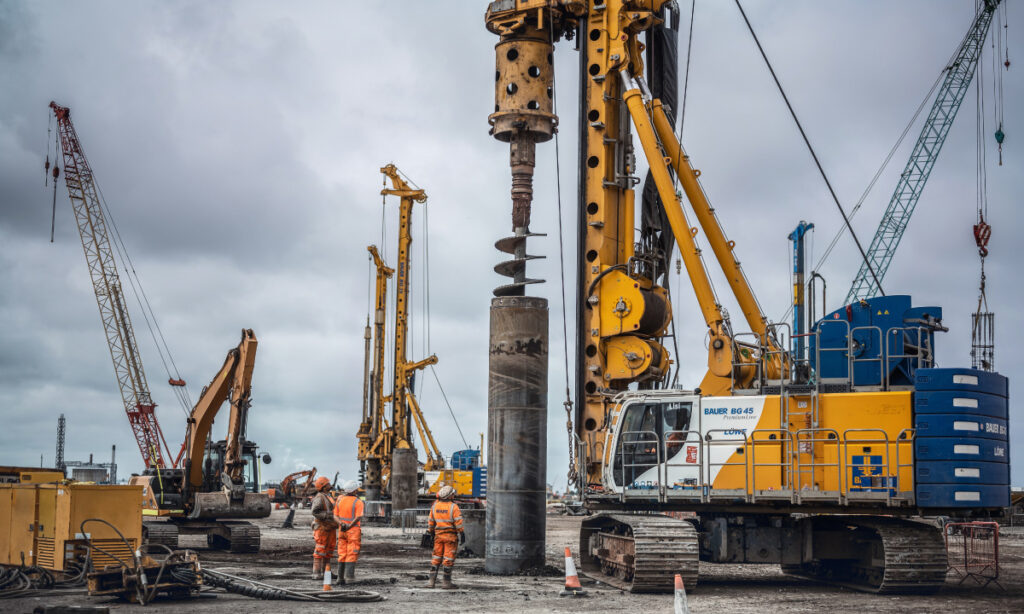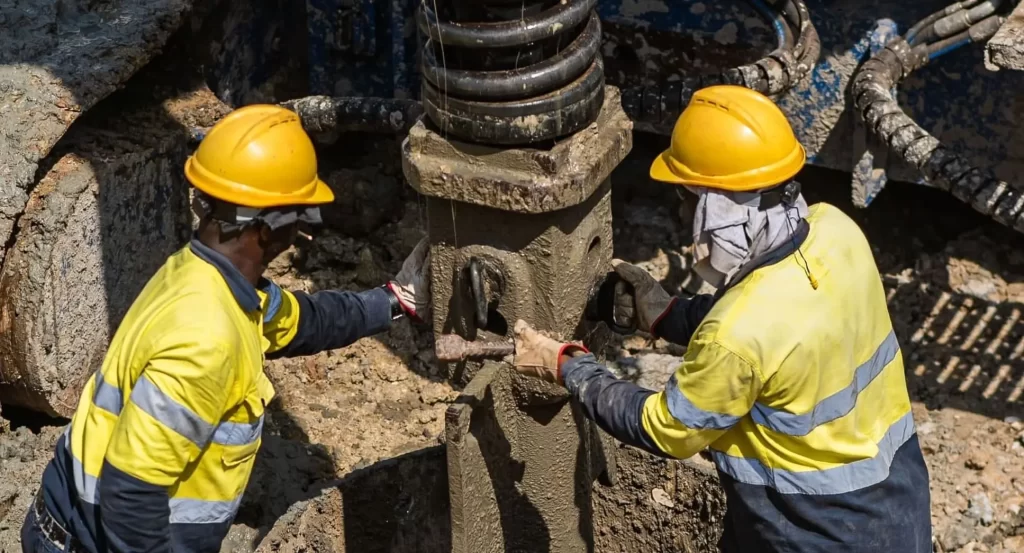
The success of any structure begins below ground. Whether supporting a commercial building, bridge, industrial facility, or major infrastructure project, foundation systems must perform reliably throughout the life of the asset. In deep foundation construction, achieving this level of reliability depends not only on engineering design and installation methods but also on a rigorous commitment to quality assurance.
As infrastructure development continues across the country, the demand for technically sound piling in Ghana has increased significantly. Modern projects require foundation systems capable of supporting substantial structural loads while accommodating varying ground conditions and environmental challenges. To achieve this, quality assurance must be integrated into every stage of the piling process, from site investigation and design through installation and testing.
A well-executed quality assurance program helps ensure that foundation systems perform as intended, reduces project risks, and provides confidence in the long-term stability of the completed structure.
Understanding Quality Assurance in Piling Projects
Quality assurance refers to the systematic processes and procedures implemented to ensure that construction activities meet established engineering, safety, and performance requirements. In piling projects, these measures help verify that foundation systems are designed and installed according to project specifications and industry standards.
Unlike visible structural elements, foundation systems become inaccessible once construction progresses. This makes quality assurance particularly important, as any issues that arise after installation can be difficult and costly to address. By implementing robust quality control procedures throughout the project lifecycle, contractors can identify potential concerns early and maintain confidence in foundation performance.
For projects involving piling in Ghana, quality assurance provides a structured framework that supports consistency, accountability, and engineering excellence.
The Importance of Site Investigation
Quality assurance begins long before piling equipment arrives on site. A comprehensive understanding of ground conditions is essential for selecting the most appropriate foundation solution.
Geotechnical investigations provide critical information regarding soil composition, groundwater conditions, and load-bearing characteristics. Engineers use this information to determine pile type, depth, diameter, and installation requirements.
Accurate site data reduces uncertainty and helps ensure that foundation designs reflect actual ground conditions. Without a thorough investigation, even the most carefully executed piling works may face challenges that affect long-term performance.
Maintaining Quality During Pile Installation
The installation phase is one of the most critical stages of any piling project. During this process, engineering teams must verify that each pile is constructed according to design specifications and established procedures.
Key quality assurance activities include monitoring pile alignment, installation depth, reinforcement placement, and concrete quality where applicable. Continuous supervision helps ensure that deviations are identified and corrected promptly.
For a piling contractor in Ghana, maintaining detailed records throughout installation provides valuable documentation that demonstrates compliance with project requirements and supports future verification activities.
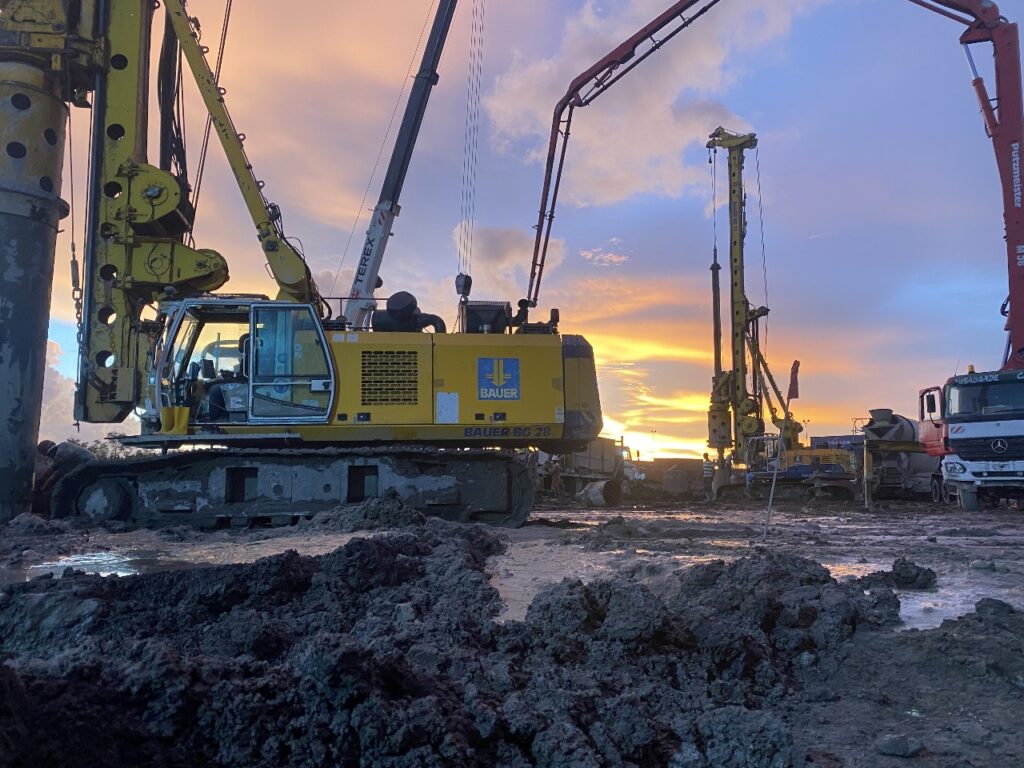
Testing and Verification of Foundation Systems
Testing forms an important component of quality assurance in foundation engineering. Once installation is complete, engineers often conduct verification activities to confirm that piles can safely support the intended structural loads.
Depending on project requirements, testing may include load testing, integrity testing, and various non-destructive evaluation methods. These assessments provide valuable information about pile performance and help verify that construction objectives have been achieved.
Testing not only improves confidence in the completed foundation system but also provides project owners with documented evidence that the structure has been built according to design expectations.
Managing Risks Through Quality Assurance
Every construction project involves risk, but effective quality assurance helps minimize uncertainty and improve project outcomes. By implementing structured inspection procedures and maintaining continuous oversight, engineering teams can identify potential issues before they develop into significant problems.
This proactive approach contributes to safer construction environments, improved project efficiency, and greater long-term reliability. It also supports better communication between engineers, contractors, consultants, and project stakeholders by ensuring that quality expectations remain clearly defined throughout the project.
For projects involving foundation engineering in Ghana, quality assurance serves as a critical tool for managing both technical and operational risks.
Supporting Long-Term Structural Performance
The ultimate objective of quality assurance is to ensure that foundation systems continue to perform reliably throughout their design life. Well-constructed piles provide the stability required to support structures under varying loads and environmental conditions.
By combining sound engineering practices with rigorous quality management procedures, project teams can reduce the likelihood of settlement issues, structural movement, and other performance concerns. This contributes to the durability, safety, and long-term value of the completed asset.
As infrastructure projects become larger and more complex, maintaining high standards of quality assurance becomes increasingly important in delivering reliable foundation systems that stand the test of time.
Conclusion
Quality assurance plays a fundamental role in the success of piling projects. From site investigation and design verification to installation monitoring and performance testing, every stage contributes to the reliability of the completed foundation system.
As demand for piling in Ghana continues to grow, project owners increasingly recognize the value of structured quality management in reducing risk and supporting long-term performance. Through careful planning, rigorous inspection, and continuous verification, foundation engineering teams help ensure that structures remain stable, safe, and capable of serving their intended purpose for decades to come.
Reliable infrastructure begins with reliable foundations. Explore our piling and foundation engineering projects or contact our team to learn how quality-driven construction practices contribute to long-term structural performance and project success.