Every successful construction project begins long before the first concrete is poured or the first structure rises above ground. One of the most important factors influencing the performance, safety, and longevity of any development lies beneath the surface: the soil.
Whether constructing commercial buildings, industrial facilities, bridges, or public infrastructure, understanding ground conditions is essential. Soil characteristics directly affect foundation design, construction methods, and the long-term stability of a structure. This is why foundation engineering in Ghana remains a critical component of successful project delivery.
Why Soil Matters in Construction
The ground beneath a structure serves as the foundation upon which all loads are transferred. If the soil cannot adequately support these loads, problems such as settlement, cracking, structural movement, and costly repairs may occur.
Different soil types behave differently under pressure. Some soils offer excellent load-bearing capacity, while others may compress, shift, or weaken when exposed to moisture or changing environmental conditions.
Before construction begins, engineers must understand how the ground will respond to the demands of the proposed structure. This information helps determine the most suitable foundation solution and reduces the risk of future structural issues.

Understanding Ground Conditions
No two construction sites are exactly alike. Even within the same region, soil conditions can vary significantly from one location to another.
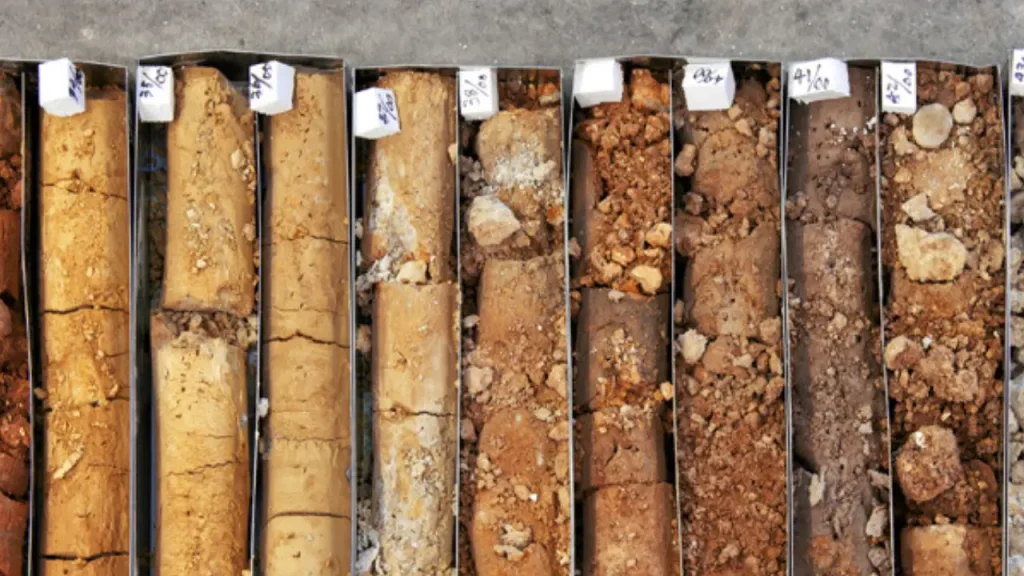
Common factors evaluated during site investigations include:
- Soil strength and bearing capacity
- Groundwater levels
- Soil composition
- Settlement potential
- Environmental conditions
These findings help engineers develop foundation systems that are appropriate for the site’s specific conditions.
Comprehensive site investigations are particularly important for large infrastructure and industrial projects where foundation performance is critical to long-term success.
The Link Between Soil Conditions and Foundation Design
Foundation design is directly influenced by what lies beneath the surface. In areas where soil near ground level cannot safely support structural loads, deeper foundation solutions may be required.
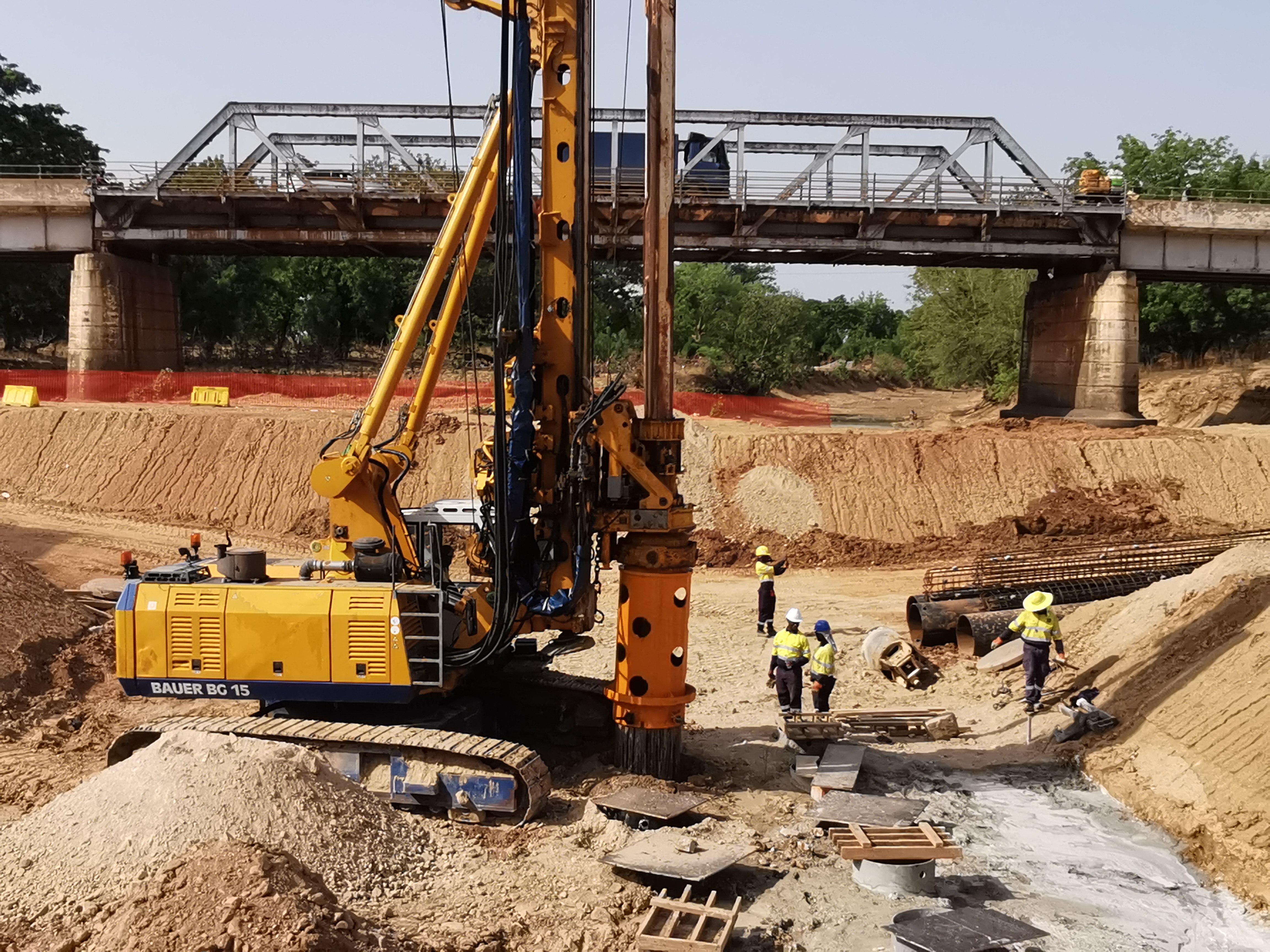
This is where piling in Ghana plays an important role.
Piling systems transfer structural loads to stronger soil layers or rock formations located deeper underground. By bypassing weaker surface soils, piling solutions help provide stability and reduce the risk of excessive settlement.
The selection of a foundation system depends on the results of geotechnical investigations and the engineering requirements of the project.
Managing Risk Through Foundation Engineering
Construction projects involve significant investments, making risk management a priority from the earliest stages of development.
Foundation engineering helps identify potential ground-related challenges before construction begins. Early identification of these issues allows project teams to implement suitable design solutions and avoid costly modifications during construction.
By understanding soil behaviour and selecting appropriate foundation systems, engineers can improve safety, enhance structural performance, and support efficient project execution.
The Role of Piling Services in Challenging Ground Conditions
In many projects, piling services provide an effective solution for overcoming difficult ground conditions.
Piles are commonly used where:
- Surface soils have low bearing capacity
- Significant structural loads must be supported
- Groundwater conditions affect shallow foundations
- Long-term settlement must be minimized
Modern piling techniques enable engineers to construct safe and reliable foundations for a wide range of developments, including commercial buildings, industrial facilities, bridges, and public infrastructure.
As construction projects become increasingly sophisticated, piling continues to play a key role in supporting infrastructure development across Ghana.
Building for Long-Term Performance
While foundation systems are often hidden from view once construction is complete, their importance cannot be overstated. A structure’s long-term performance depends heavily on the quality of its foundation design and the accuracy of the engineering decisions made during the early stages of the project.
Understanding soil conditions, conducting proper investigations, and implementing appropriate foundation solutions help ensure that structures remain safe, stable, and durable throughout their operational life.
Conclusion
Soil conditions have a significant influence on construction success. From foundation design and structural stability to long-term performance and risk management, understanding the ground beneath a project is essential.
As infrastructure and development projects continue to expand, foundation engineering in Ghana will remain a vital discipline in delivering safe, efficient, and reliable construction outcomes. Through careful site investigation, sound engineering practices, and appropriate piling solutions, project teams can build with confidence from the ground up.